

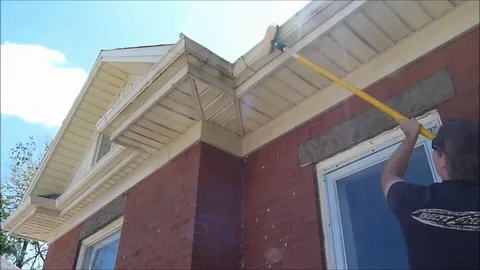
Soffit and Fascia in Calgary: The Roof Edge That Chinooks Test Every Winter
Most homeowners never look up at the underside of their roof. Yet the thin band where the roof meets the walls does two critical jobs: it lets the attic breathe and it keeps the elements out. In Calgary, where a chinook can push temperatures from minus 20 to plus 10 in a single day, that band is tested harder than almost anywhere in Canada.
This guide explains what soffit and fascia do, which materials hold up best, how to spot damage early and what shapes the cost of repair or replacement.
Soffit vs Fascia: Two Parts, Two Jobs
The terms are often used together, but they describe different components.
- Soffit is the horizontal panel on the underside of the roof overhang. It often contains small vents that draw fresh air into the attic. It also blocks birds, wasps and squirrels from nesting in the roof space.
- Fascia is the vertical board that runs along the roof edge. It covers the exposed ends of the rafters and provides the mounting surface for eavestroughs.
Together, they seal the roof edge and form the intake half of the attic ventilation system.
Why Attic Airflow Matters So Much in Calgary
An attic should stay close to the outside temperature. Air enters through vented soffits, rises through the attic and exits through roof or ridge vents. That steady flow carries away moisture rising from the living space below.
When soffit vents are blocked by insulation, painted over or replaced with solid panels, moisture has nowhere to go. In a Calgary winter, it condenses and freezes as frost on the underside of the roof deck.
Then a chinook arrives. As Crystal Pro points out, the warm wind melts that attic frost quickly, and the water drips onto insulation and ceilings. Homeowners often mistake the resulting stains for a roof leak, when the real culprit is poor ventilation at the soffit.
Good airflow also helps reduce ice dams, which form when a warm roof melts snow that refreezes at the cold edge.
Choosing a Material
Soffit and fascia come in several materials. Each balances cost, durability and upkeep differently.
| Material | Strengths | Trade-offs |
| Aluminum | Light, rust-free, low maintenance | Can dent from hail or ladders |
| Vinyl | Lower cost, available vented | Can become brittle in deep cold |
| Steel | Stronger and more dent-resistant | Higher cost, heavier |
| Fiber cement | Non-combustible, paintable | Higher cost, needs paint upkeep |
| Wood | Traditional look | Needs regular painting, can rot |
Aluminum remains the most common choice for Calgary homes because it shrugs off moisture and needs little upkeep. A popular approach is an aluminum fascia cover installed over the existing wood fascia board. The cover shields the wood from water while giving the roofline a clean, finished look.
In a city that sees frequent summer hail, homeowners who want extra dent resistance often step up to steel.
Warning Signs of Soffit and Fascia Damage
Damage at the roof edge usually shows up as rot, loose panels or unwanted visitors. Homeowners should check for:
- Peeling paint or soft, rotten wood along the fascia
- Sagging, loose or missing soffit panels
- Bent or stained fascia boards
- Eavestroughs pulling away from the house
- Birds, wasps or squirrels entering at the roof edge
- Frost or damp insulation in the attic
- Water stains under the roof overhang
Wind is a frequent cause of damage in Calgary. Strong gusts can lift loose panels and bend fascia, opening a path for animals and moisture. Soffit replacement is also common after squirrels or birds have chewed their way in.
Repair or Replace?
Not every problem calls for a full job. Small issues can often be fixed in isolation:
- Soffit repair commonly replaces a few loose or damaged panels.
- Fascia repair usually replaces a single rotten or bent section.
Full replacement makes more sense when damage is widespread, the wood behind is rotting in several places or the home is due for new eavestroughs. Since the eavestroughs must come down to replace fascia anyway, doing both together saves labour.
Soffit and fascia can also be replaced without replacing the roof. The work happens at the roof edge and leaves the shingles in place.
How a Professional Installation Works
A quality installation moves from inspection to a final ventilation check. Crystal Pro completes each project in eight steps:
- Inspect the roof edge, overhang and attic vents.
- Measure the overhang and the roof line.
- Provide an estimate and confirm material and colour.
- Remove the eavestroughs where needed, then the old soffit and fascia.
- Replace rotten wood and install support channels.
- Install soffit panels, placing vented panels for airflow.
- Install the fascia and reattach the eavestroughs.
- Check ventilation openings and clean the site.
The finished fascia should work with the drip edge to direct water into the eavestrough, not behind it. Most homes are completed in one to three days, with wood repairs and tall roof lines adding time.
What Drives the Cost
The price of soffit and fascia work depends on a handful of factors:
- Linear footage: Longer roof lines need more material.
- Overhang width: Wider overhangs need more soffit.
- Material: Steel and fiber cement cost more than aluminum or vinyl.
- House height: Upper storeys require more equipment and time.
- Wood repairs: Rotten rafter ends or boards must be replaced first.
- Eavestrough removal: Taking down and refitting eavestroughs adds labour.
Because hidden rot is only visible once old panels come off, an accurate price usually follows an on-site inspection.
Do All Soffit Panels Need Vents?
No. The number of vented panels depends on the size of the attic and the roof’s exhaust vents. A balanced system matches intake at the soffit with exhaust at the top of the roof. Too little intake starves the attic of air, while vents in the wrong spots can draw in snow.
Final Word
Soffit and fascia are easy to overlook until a stain appears on the ceiling or a wasp nest appears under the eaves. In Calgary’s climate of hail, wind and chinooks, a well-ventilated, well-sealed roof edge protects the attic, the insulation and the roof itself.
Calgary homeowners can book an inspection with Crystal Pro by calling (403) 354-1017 or emailing info@crystalpro.ca. The team also handles eavestrough installation, roof repair and James Hardie siding, so an entire roof edge can be updated in one project.
