

Vinyl Siding Calgary: Complete Installation Guide 2026
Calgary homeowners know that the city’s climate doesn’t play fair. One week you’re dealing with a chinook that pushes temperatures into the double digits, and the next you’re scraping ice off the driveway in a windstorm. An exterior that can’t handle those swings turns into a maintenance headache fast, which is exactly why vinyl siding Calgary homeowners have relied on for decades keeps showing up as the go-to choice for exterior renovations across the city.
This guide walks through what vinyl siding actually is, why it performs so well in Alberta’s climate, how the installation process works, what it costs, and how to choose a contractor who won’t cut corners. Think of it less as a sales pitch and more as the research you’d want done before signing a contract.
What Is Vinyl Siding, Exactly?
Vinyl siding is an exterior cladding material made primarily from PVC (polyvinyl chloride). It’s manufactured in long interlocking panels that snap together over a home’s sheathing, creating a weather-resistant shell that never needs painting. Unlike wood siding, it doesn’t absorb moisture, rot, or attract insects. Unlike stucco, it doesn’t crack under freeze-thaw stress. That combination of resilience and low upkeep is a big part of why vinyl siding installation has become the default recommendation for older homes with tired exteriors and new builds alike.
Modern panels come in dozens of colors, textures, and profiles — from classic horizontal lap boards to shake-style panels that mimic cedar shingles. The core material stays the same, but the finish can be tailored to match almost any architectural style, from a bungalow in Signal Hill to a two-storey in Mahogany.
Why Vinyl Siding Works So Well in Calgary’s Climate
Alberta’s weather is the real test for any exterior material, and this is where the case for vinyl siding Calgary contractors keep making becomes obvious once you look at the numbers.
It Handles Temperature Swings Without Warping
Calgary can swing 20+ degrees in a single day thanks to chinook winds. Materials that expand and contract poorly — like certain composite boards — tend to crack or bow over a few winters. Quality vinyl panels are engineered with expansion gaps built into the installation method, letting the material move slightly without buckling or pulling away from the wall.
It Resists Hail and Wind Damage
Hailstorms are a recurring risk along the Alberta foothills, and wind gusts during storm season can exceed 90 km/h. Impact-modified vinyl panels are rated to withstand hail and high winds far better than older aluminum or wood siding, which dent or splinter on contact.
It Improves Energy Efficiency
Many vinyl siding systems installed today include insulated backing or are paired with a rigid foam layer during the install. That extra thermal barrier reduces heat loss through the exterior walls, which matters a lot when your furnace is working overtime from October through April.
It Requires Almost No Maintenance
There’s no scraping, sanding, or repainting on the maintenance list. An occasional rinse with a garden hose or pressure washer on a low setting is usually enough to keep panels looking new for years.
The Vinyl Siding Installation Process
Understanding how vinyl siding installation actually unfolds helps you know what to expect and what questions to ask a contractor before work begins.
-
Inspection and measurement
A contractor examines the existing exterior, checks the sheathing underneath for rot or moisture damage, and takes precise measurements for material ordering.
-
Removal of old siding
If you’re replacing an existing exterior, the old material is stripped away and the wall is inspected for any repairs needed before new panels go up.
-
Moisture barrier and insulation
A weather-resistant house wrap is applied, and insulated backer board is added if the project calls for improved energy performance.
-
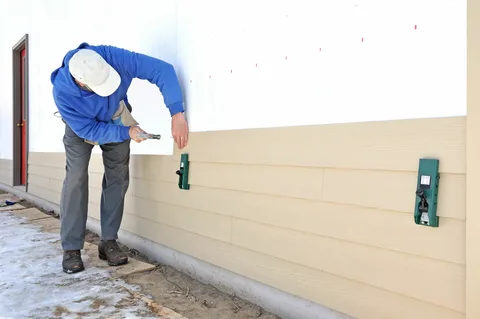
Panel installation
Starter strips go in first, then panels are installed from the bottom up, interlocking horizontally and nailed loosely enough to allow for thermal movement.
-
Trim and detail work
Corner posts, J-channels, and trim around windows and doors are finished to give the whole job a clean, seamless look.
-
Final inspection
A walkthrough confirms everything is level, secure, and properly sealed against moisture intrusion.
A well-managed vinyl siding installation on an average single-family home typically takes anywhere from two to five days, depending on the size of the house, the complexity of the trim work, and weather conditions during the project.

Vinyl Siding vs. Other Exterior Options
It’s worth comparing vinyl against the alternatives Calgary homeowners typically consider:
-
Vinyl vs. Hardie board (fiber cement):
Hardie board is heavier and more fire-resistant but costs more upfront and requires periodic repainting. Vinyl wins on price and maintenance; Hardie wins on fire rating and a more “solid” feel.
-
Vinyl vs. wood siding:
Wood offers a classic aesthetic but needs regular staining or painting and is vulnerable to rot and insects — a poor match for Calgary’s moisture cycles. Vinyl siding sidesteps almost all of that upkeep.
-
Vinyl vs. stucco:
Stucco can crack as the ground shifts or freezes, leading to costly repairs. Vinyl’s flexibility handles that movement far better over time.
None of these materials is objectively “best” for every home — a heritage property might call for wood-look accents, while a new build might prioritize insulated vinyl for energy codes. The right call depends on your budget, your home’s architecture, and how much time you want to spend on upkeep.
What Does Vinyl Siding Cost in Calgary?
Pricing varies based on panel quality, home size, insulation add-ons, and how much trim and detail work is involved, but homeowners can generally expect a range from mid-single digits to low double-digit dollars per square foot installed. Insulated panels and premium profiles sit at the higher end, while standard lap siding on a straightforward home sits toward the lower end. Getting a detailed, itemized quote — rather than a vague lump sum — is the best way to compare contractors fairly.
Choosing the Right Contractor for the Job
Not all installers treat the process the same way, and the difference between a rushed job and a properly executed one shows up within a couple of winters. Here’s what separates a solid contractor from a risky one:
-
Licensing and insurance
Confirm the company is licensed to operate in Alberta and carries liability insurance in case anything goes wrong on your property.
-
Experience with Calgary’s climate
A contractor who understands local weather patterns will account for proper expansion gaps, moisture barriers, and insulation choices suited to the region.
-
Warranty coverage
Reputable installers back their work with a labor warranty in addition to the manufacturer’s product warranty.
-
Transparent, itemized quotes
Clear pricing with no vague “allowances” protects you from surprise charges partway through the project.
-
References and past work
Photos of completed jobs in neighborhoods similar to yours are a good sign the crew can handle your home’s specific style.
Homeowners across Calgary, Airdrie, Okotoks, Chestermere, and Cochrane increasingly ask for vinyl siding Calgary crews with a proven local track record, precisely because climate-specific experience makes a measurable difference in how the siding performs ten winters down the road.
Signs Your Current Siding Needs Replacing
If you’re on the fence about whether to repair or replace, watch for these signals:
- Panels that are visibly warped, cracked, or bowing away from the wall
- Fading that no amount of cleaning improves
- Increased drafts or noticeably higher heating bills
- Soft spots or moisture damage on the sheathing beneath the siding
- Mold, mildew, or a persistent musty smell near exterior walls
Catching these issues early usually means a simpler, less expensive fix. Waiting too long can mean the underlying sheathing needs repair too, which adds cost and time to the project.
Final Thoughts
Choosing vinyl siding Calgary homeowners can rely on through freeze-thaw cycles, hailstorms, and scorching summer afternoons comes down to picking quality materials and a contractor who understands the region’s demands. Done right, a professionally installed exterior upgrades curb appeal, cuts down on maintenance for decades, and adds real insulation value to your home. Done poorly, even good material can underperform. Take the time to get a few detailed quotes, ask about warranty terms, and choose a team with genuine local experience — your home’s exterior will thank you every winter for years to come.
Frequently Asked Questions
How long does vinyl siding last in Calgary’s climate? With proper installation, quality vinyl siding typically lasts 20 to 40 years, even with Calgary’s extreme seasonal swings.
Can vinyl siding be installed in winter? Installation is possible in colder months, though vinyl becomes more brittle in freezing temperatures, so many contractors prefer to schedule major jobs between spring and fall.
Does vinyl siding help with home insulation? Yes — especially when paired with insulated backer board, which adds a meaningful thermal layer beneath the panels.
Is vinyl siding installation a DIY-friendly project? Basic repairs are manageable for handy homeowners, but full installation is best left to professionals who understand proper flashing, moisture barriers, and expansion allowances.
