
Hardie Board & Plank Siding Installation Calgary by Crystal Pro
Choosing the right siding for your home is a big decision. It protects your house from weather, adds curb appeal, and can boost your property value. In Calgary, where winters are cold and hailstorms are common, Hardie board siding has become a top choice for homeowners.
This guide will explain what Hardie board siding is, why it works so well in Calgary, and what to expect during installation. We’ll also answer common questions at the end.
What Is Hardie Board Siding?
Hardie board, also called fiber cement siding, is a type of siding made from cement, sand, and cellulose fibers. It’s built to look like wood siding but lasts much longer and handles rough weather better.
The name comes from James Hardie, the company that makes this type of fiber cement siding. Over time, “Hardie board” became the common name people use, even though other brands make similar products.
Common Types of Hardie Products
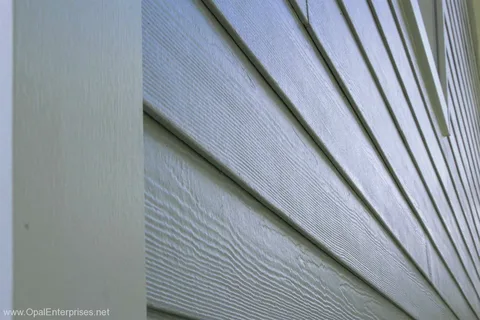
- Lap siding: long horizontal boards, the most popular style
- Vertical siding: boards that run up and down, often used for modern designs
- Shingle siding: small overlapping pieces for a classic look
- Trim boards: used around windows, doors, and corners
Why Hardie Board Works So Well in Calgary
Calgary’s weather is tough on homes. Winters bring deep freezes, summers bring intense sun, and hail storms can hit hard. Hardie board is built to handle it all.
Stands Up to Freeze-Thaw Cycles
Unlike wood, fiber cement doesn’t warp or rot when it freezes and thaws again and again. This makes it a strong match for Calgary’s up-and-down temperatures.
Resists Hail Damage
Hardie board is thicker and denser than vinyl siding, so it holds up much better against hailstones, which are common in Alberta storms.
Doesn’t Attract Pests
Wood siding can attract insects like carpenter ants or woodpeckers. Since Hardie board isn’t made of real wood, pests have no reason to bother it.
Fire Resistant
Fiber cement doesn’t burn like wood siding can. This adds an extra layer of safety to your home.
Low Maintenance
Hardie board doesn’t need to be repainted as often as wood, and it won’t crack or peel the way some other materials do over time.
Benefits of Choosing Hardie Board for Your Home
Long Lasting Durability
Hardie board can last 30 to 50 years when it’s properly installed and cared for. That’s much longer than vinyl siding, which often needs replacing sooner.
Great Curb Appeal
Hardie siding comes in many colors, textures, and styles. You can get the classic look of wood siding without the ongoing upkeep.
Increases Home Value
Because it lasts so long and looks great, Hardie board siding is often seen as a smart investment that adds resale value.
Energy Efficiency
When installed with proper insulation, Hardie board can help keep your home warmer in winter and cooler in summer.
The Hardie Board Installation Process
Installing Hardie board is more involved than installing vinyl siding. It takes careful planning and the right tools to do it correctly.
Step 1: Inspection and Measurement
A contractor first checks the current condition of your home’s exterior. They measure the walls and figure out how much material is needed.
Step 2: Removing Old Siding
If you’re replacing old siding, the crew removes it and checks the wall underneath for any damage, like rot or mold, that needs fixing first.
Step 3: Preparing the Wall
The crew installs a weather-resistant barrier, sometimes called house wrap, over the wall. This layer protects your home from moisture getting in behind the siding.
Step 4: Cutting the Boards
Hardie boards are cut to fit your home’s exact size and shape. Cutting fiber cement creates dust, so proper safety equipment and tools are important during this step.
Step 5: Installing the Siding
Install the boards starting from the bottom of the wall and working upward. Each row overlaps the one below it, which helps water run off instead of soaking in.
Step 6: Sealing and Caulking
Seal gaps around windows, doors, and corners to keep water and cold air out.
Step 7: Painting or Finishing
Some Hardie board comes pre-painted with a factory finish called ColorPlus. If you use unpainted boards, they get painted after installation.
What to Look for in a Hardie Board Installer
Since Hardie board is heavier and trickier to install than vinyl, hiring an experienced installer matters.
Look for James Hardie Certification
Some contractors are certified installers through James Hardie’s own training program. This shows they know the proper techniques for cutting, fastening, and spacing the boards.
Ask About Local Experience
A contractor familiar with Calgary’s climate will know how to handle things like proper spacing for freeze-thaw movement and moisture barriers suited to our winters.
Check for Proper Safety Equipment
Cutting fiber cement releases fine dust that can be harmful to breathe. A professional crew should use proper dust control tools, like saws with vacuum attachments.
Ask for a Written Warranty
A trusted installer should offer a workmanship warranty in addition to the manufacturer’s product warranty.
Common Mistakes to Avoid
Improper Nailing
Nails placed too tight or too loose can cause boards to crack or come loose over time. Proper spacing allows for slight material movement.
Skipping the Weather Barrier
Without a proper moisture barrier behind the siding, water can seep into the wall and cause damage that’s hidden until it’s serious.
Not Leaving Expansion Gaps
Fiber cement expands and contracts slightly with temperature changes. Boards installed too tightly together can buckle or crack.
Using the Wrong Fasteners
Hardie board needs specific types of nails or screws. Using the wrong fasteners can lead to rust stains or loose boards down the road.
How Crystal Pro Approaches Hardie Board Installation
A professional installation team focuses on more than just putting up boards. It’s about protecting your home for decades to come.
Careful Planning
Every project starts with a detailed inspection and measurement to avoid waste and ensure a precise fit.
Skilled Craftsmanship
Trained installers understand proper spacing, fastening, and sealing techniques suited for Calgary’s climate.
Clean and Efficient Work
A professional crew keeps the job site tidy and works efficiently to finish the project within the agreed timeline.
Long-Term Support
Reliable siding companies stand behind their work with warranties and are available if any issues come up after installation.
Is Hardie Board Right for Your Home?
Hardie board siding is a strong choice if you want a low-maintenance, long-lasting exterior that can handle Calgary’s harsh weather. While it costs more upfront than vinyl siding, the durability and curb appeal often make it worth the investment over time.
If you’re planning a new build, a renovation, or replacing old, damaged siding, Hardie board is worth serious consideration for your Calgary home.
FAQs
How much does Hardie board siding cost in Calgary?
Costs depend on the size of your home, the style of siding chosen, and labor rates. It typically costs more than vinyl siding upfront, but its long lifespan often makes it a better value over time. Getting a quote from a local contractor is the best way to get accurate pricing for your home.
How long does Hardie board siding last?
When properly installed and maintained, Hardie board siding can last 30 to 50 years. Its resistance to rot, pests, and weather damage helps it outlast many other siding materials.
Can Hardie board handle Calgary’s hail storms?
Yes. Hardie board is thicker and more impact-resistant than vinyl siding, which makes it a strong choice for areas that see frequent hail, like Calgary.
Does Hardie board siding need much maintenance?
Hardie board needs much less upkeep than wood siding. Occasional cleaning and checking the caulking around windows and doors is usually enough to keep it in good shape.
How long does a Hardie board installation take?
Installation time depends on your home’s size and the scope of the project. A full home installation can take anywhere from a few days to a couple of weeks. Your contractor should give you a clear timeline before the project begins.
